Potty Training Readiness: Signs Your Toddler Is Ready
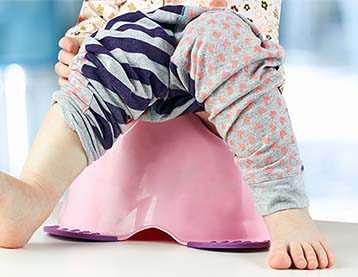
Turns out there's no 'best time' to start potty training, but there are some common signs of readiness to look out for. Everyone agrees on one thing: start when your child is ready, not you. The trick is spotting when they're good to go.
The toilet-training expert's signs of readiness
The UK's leading toilet-training expert, Amanda Jenner of the Potty Training Academy, helps guide parents, children and childcare professionals through the experience. She pinpoints three signs of readiness.
- Longer periods of dry nappies, which indicates their bladder has developed stronger muscles.
- When your toddler stops in their tracks when doing a wee or a poo.
- When your child can understand and follow instructions... most of the time.

The childcare professional on potty training readiness
Senior nursery manager at Kids Inc., Jeni Sutton, points to when your toddler is able to tell you when they've done the business, as well as when they are physically confident enough to get on and off a potty.
"Make sure they are showing an interest - too early and they may get a little bit scared."
- Jeni Sutton, Senior nursery manager at Kids Inc.

A parent's experience of potty training readiness
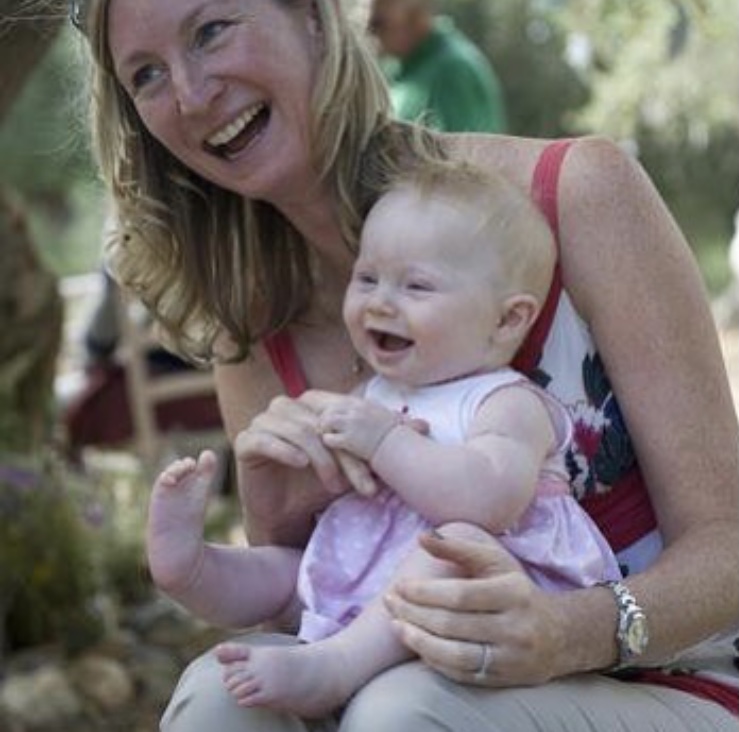
We love being reassured by other parents who have emerged in one piece on the other side. Clare Bradbury, mum of two, learned the hard way.
"I felt rushed into potty training the first time around by older family members constantly asking when we were going to start. My daughter wasn't ready at all and it took ages."
- Clare Bradbury
What about her second child?
"Piece of cake. My second daughter just decided to take her nappy off one day and never put another one on."
- Clare Bradbury
What advice would she give her younger self?
"Worry less. Let them take the lead."
- Clare Bradbury
How to know your toddler is ready for potty training
There's consensus about the signs of when to start potty training, and three themes keep coming up: the ability to communicate, physical capabilities, and the desire to start taking control and move towards independence. All these factors have more to do with a child's development and personality than their precise age.
| Sign of readiness | What to look for |
| 1. Talking the talk | Your child can let you know when they are going to the toilet and shows an awareness of what's going on. As communication is two-way, also consider their readiness to understand and follow your instructions. |
| 2. Walking the walk | Your child is physically able to get on and off the potty. It may help to wait until after your baby starts cruising and starts walking. |
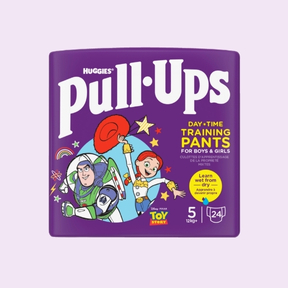
| 3. Taking charge | Your child fills their nappy less often, stops what they're doing when weeing or pooing, or becomes more regular. Interest in the toilet, taking off their nappy, or wearing Huggies® Pull-Ups® shows a move towards independence. |
| 4. Show them how to use the potty | Toddlers love to copy their parents. Bring them to the bathroom and demonstrate what to do. We understand not all parents feel comfortable with this, so skip it if you want. |
| 5. Be patient | Showing some signs doesn't mean they're completely ready. Give them time and introduce different concepts at a pace which suits them. |
The NHS on potty training readiness
As you'd expect, the NHS takes a no-nonsense approach. In terms of timing, they say, 'Most parents start thinking about potty training when their child is between two and two and a half', but stress that 'you cannot force your child to use a potty'. The signs of readiness the NHS suggests you look out for are below.
- They know when they've got a wet or dirty nappy.
- They get to know when they're peeing and may tell you they're doing it.
- The gap between wetting is at least an hour.
- They show they need to pee by fidgeting or going somewhere quiet or hidden.
- They know when they need to pee and may say so in advance.
The NHS also mentions avoiding times when your child or family are experiencing disruptions to their routines, although we all know such things can't always be planned for. Some might also prefer to potty train in the summer when fewer layers mean frequent changes of clothes are less of a faff.
When they're ready, make sure you are too
While you wait for the signs of readiness, it's worth brushing up on how to start the potty training process. We've also put together the only potty training kit you'll ever need, so you can get everything ready ahead of time. And if that wasn't enough, we also have a number of other tips, advice and guides all about potty training.
Get more tips and advice straight to your inbox
Explore the Pull-Ups® range