How to Help 5-7 Year Olds Stop Bedwetting: Action Plan
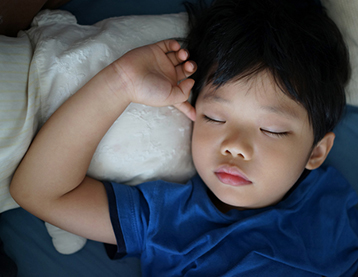
Accidents at night when your child is 5 or over can feel stressful, but there is loads you can do to help and support them. Understanding the facts around bedwetting, why it happens and what it means is a good start to making a plan of action.
Facts about bedwetting in children aged 5-7
- Bedwetting is not uncommon: around 15% of five-year-olds still wet the bed, even though many children are dry by the time they start school.
- It doesn't happen on purpose: the most common cause is a neurological developmental delay, where the child's brain and bladder aren't yet fully connected, so they don't wake in time. Most children grow out of it.
- Anxiety gets worse with age: the older the child, the more anxious they feel about wetting the bed, and the more anxious the parent feels about helping.
What are the best ways you can help?
Help with love, patience, kindness and reassurance. It is not their fault and it is very common, with 15% of kids age 5-7 wetting the bed at night. Although considered a medical condition from age 5, most kids grow out of it, and if you are worried it is worth speaking to a GP. In the meantime, your child just needs time and your support.
Here are a few tips to help you talk to your child about bedwetting and night-time accidents.
- Don't avoid the issue; open up the conversation.
- Let them know they are not alone and it is not their fault.
- Explain it is just a phase they will grow out of, like losing their teeth.
- Compare it to growing tall; kids do everything at different rates and their body is just playing catch-up.
- Empower them to take control, letting them choose between staying dry with DryNites® Pyjama Pants and DryNites® Bed Mats or other options.
- Normalise the action plan by letting the family know.
- Keep the conversation going by sharing your own experiences if you have any.
For a comfortable night's sleep, try DryNites®
Clinically proven for a better night's sleep, keeping your child in DryNites® Pyjama Pants keeps them comfortable even if they wee while asleep. Staying dry helps their self-esteem and confidence, and helps with washing overload.
Your action plan for bedwetting children aged 5-7
- Encourage your child to drink water regularly throughout the day, tapering off at night.
- Limit sweet and bubbly drinks, especially ones containing caffeine.
- Avoid foods high in salt and dairy products at night.
- Make sure your child goes to the toilet before bed.
- Use DryNites® Pyjama pants to help keep your child and their bed dry throughout the night.
- Use DryNites® Bed Mats mattress protector to keep the bed fresh and dry.
- Increase dietary fibre to prevent constipation.
- Don't lift sleeping children to the toilet during the night, as this reinforces that it is ok to wee in their sleep.
A final bedwetting tip
Don't get angry or punish your child for wetting the bed, and never make fun of them, no matter how light-hearted you think it may be.
Still struggling? Try making some changes
Talk with your child about what to do if they wake in the night and need the toilet; should they go on their own or call out to you? It is also a good idea to create a clear, well-lit path between their bed and the toilet. A small night light and your support is the best solution for a child who is scared of the dark.
When to ask for help with bedwetting
Most cases of primary bedwetting are nothing to worry about, but according to the NHS, ERIC, and the World Health Organisation, it is recommended to consult your GP if:
- Your child is older than 6 years old and wets the bed twice a week or more.
- You notice bedwetting starting to have a negative impact on their relationships and emotional wellbeing.
- Your child is visibly distressed or disturbed by wetting the bed.
- They begin to wet their pants during the day.
- You notice any other physical or emotional disturbances of any kind.
- If in doubt, it is always recommended to see your doctor for advice, even if just for peace of mind.
See a doctor if you suspect secondary nocturnal enuresis
Secondary bedwetting is when your child has been dry at night for a while (at least six months) and then starts to wet the bed again. There may be an underlying reason that needs addressing, including a urinary tract infection (UTI), diabetes, a physical abnormality, sleep apnoea or stress.
If your child is experiencing secondary bedwetting, book an appointment with your GP. Although most cases are caused by emotional stress or psychological trauma, it is important to first rule out any physical causes. In the meantime, the best thing you can do is support your child through the bedwetting phase.

Find out about DryNites® Pyjama Pants for Boys